












If you like Italian Food this is the site for you!
Anna Maria’s Open Kitchen
Classic Traditional Italian Recipes Illustrated Step-by-Step
—-
A unique site about Italian Cooking - Step-by-step illustrated Italian food recipes
for Tiramisu, and classic Italian recipes for pasta, lasagna, gnocchi, risotto, pizza,
polenta, and articles on history of Italian food.
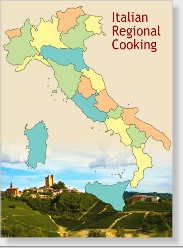
What is Italian Cooking?
About Italian Food
Many non-



Every town has a distinctive way of making sausage, special kinds of cheese and wine,
and a local type of bread. If you ask people, even in the same area, how to make
pasta sauce, they will all have different answers. Variations in the omnipresent
pasta are another example of the multiplicity of Italian recipes: soft egg noodles
in the north, hard-
These geographic features create a myriad of environments with noticeable variations: fertile valleys, mountains covered with forests, cool foothills, rocky landscapes, Mediterranean coastlines, and arid plains. A great variety of different climates have also created innumerable unique geographical and historical areas.
But geographical fragmentation alone will not explain how the same country produced all of these: the rich, fat, baroque food of Bologna, based on butter, parmigiano, and meat; the light, tasty, spicy cooking of Naples, mainly based on olive oil, mozzarella, and seafood; the cuisine of Rome, rich in produce from the surrounding countryside; and the food of Sicily, full of North African influences.
The explanation is hidden in the past; the multitudes of food styles of Italy mainly result from its history. Divided for a long time into many duchies, princedoms, kingdoms, and states—often hostile to one another—political unification in Italy did not occur until 1861. Many populations in the past three thousand years have occupied Italian territory, and most of them contributed their own traditions.
What is Italian Cooking -
Anna Maria Volpi
Copyright © 2004 Anna Maria Volpi -



The Month

Everything you want to know about this celebrated Italian dessert
A Tiramisu’ recipe has become a new classic


The Tiramisu’ recipe Anna Maria is proposing using safe ingredients
DISCLAIMER and
PRIVACY POLICY
before using
our site
-
Advertise with us

site map
recipes
policies
about us


Fast & Simple
Baking


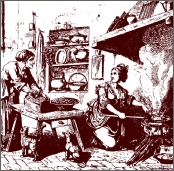
circa 1830.

VEGETARIAN
Balsamic Vinegar
Special Offer
5$ OFF

SPECIAL OFFER


Weight Control






How to be a Wise Shopper



—-
Fabfoodpix.com -
—-
—-
—-
—-
One Great George Street offers an unforgettable wedding or conference experience.
—-
AN ITALIAN IN THE MIDWEST, Pola is a food blogger from Italy, transplanted to the cold Midwestern plains.
—-
—-
So, What Food Recipes Did You Try in Your Last Trip?
—-




History, tradition, and recipes of the most popular Italian staple

Pasta recipes how the Romans do


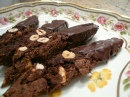



Step-

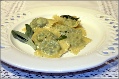
PASTA!!!


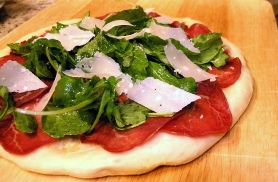



Fresh From the OVEN

most popular subjects



NUTRITION
HYPERTENSION